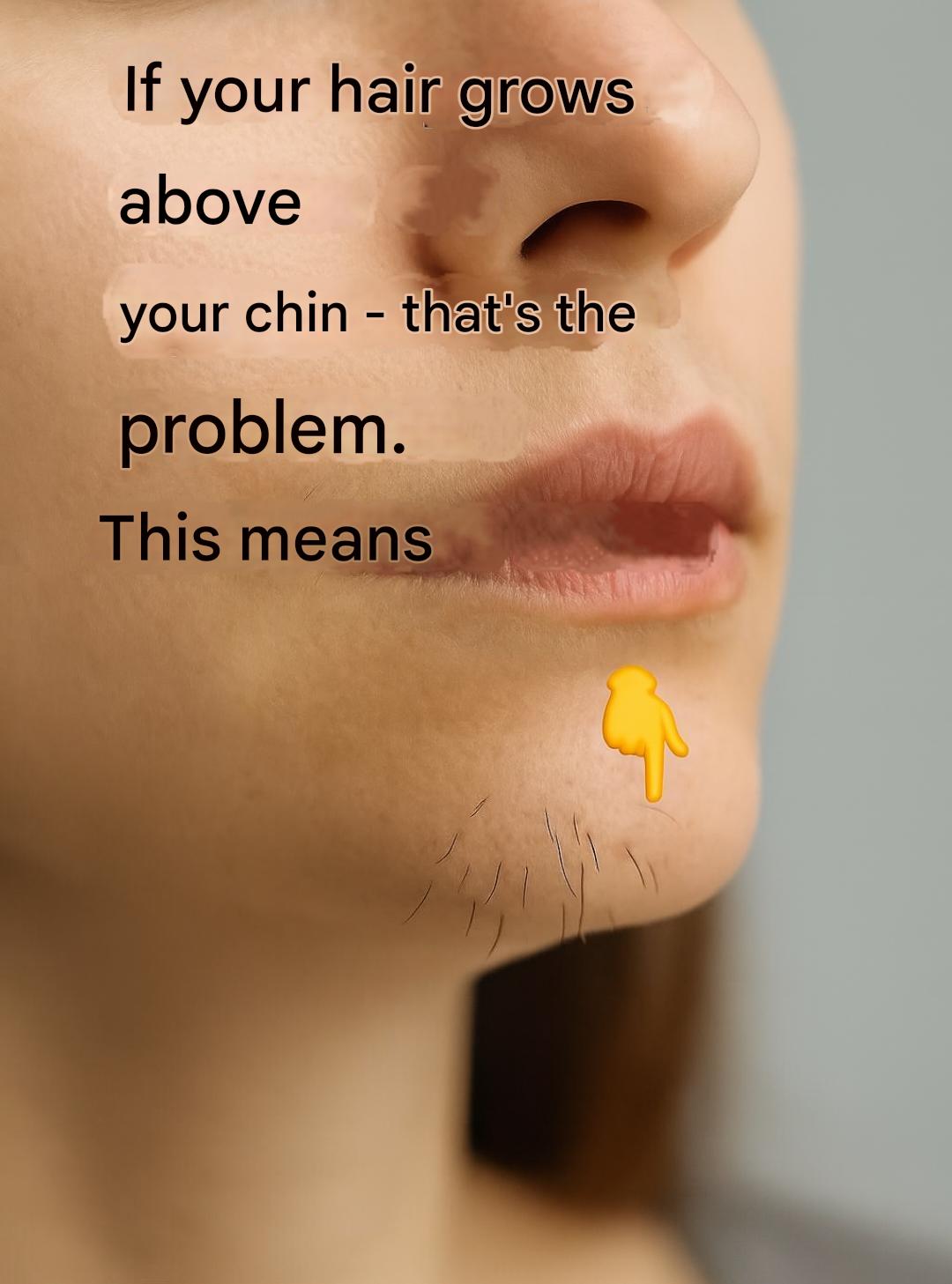
🔹 2. Age-Related Changes and Menopause
As women age, their hormonal balance naturally shifts. Around menopause and in the years that follow, estrogen levels decrease, while androgens become relatively more dominant.
This hormonal shift may lead to:
Increased facial hair
Thinning hair on the scalp
Dry or sensitive skin
🔹 3. Genetic Predisposition
Some women simply have a hereditary tendency toward facial hair growth. If your mother, grandmother, or sisters share this feature, it is likely a genetic trait rather than a medical problem.
🔹 4. Overweight and Insulin Resistance
Body fat plays an important role in hormone regulation. Excess weight can stimulate higher androgen production. In addition, insulin resistance—commonly associated with overweight and obesity—can disrupt hormonal balance and contribute to hirsutism (excessive male-pattern hair growth).
🔹 5. Tumors and Serious Medical Conditions
Although rare, a sudden and noticeable increase in facial hair can signal a hormone-secreting tumor. This situation requires prompt medical evaluation.
Warning signs include:
Rapid or excessive hair growth
Development of masculine physical traits
Deepening of the voice
Menstrual irregularities or cycle disruptions
Important Note
This article is for informational purposes only. Do not self-diagnose or self-medicate. Always consult a qualified healthcare professional before taking any action based on the information provided. The publisher does not guarantee specific outcomes and is not responsible for any consequences resulting from the use of this information.
