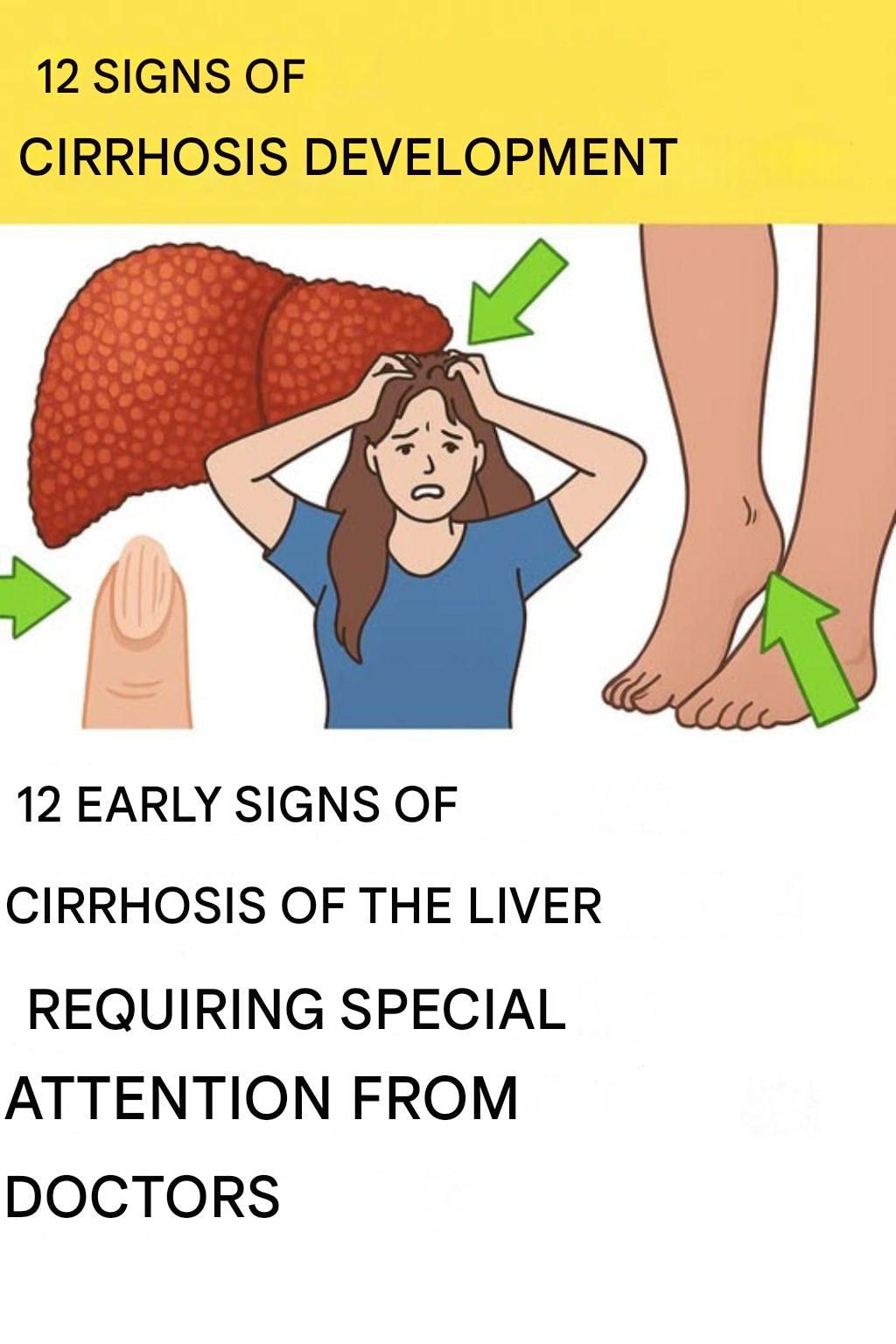
Cirrhosis – The Silent Killer of the Liver: 15 Warning Signs That Could Save Your Life
Cirrhosis is an insidious and silent threat. Imagine an unwelcome guest settling inside your body—quiet, discreet, and steadily destroying one of your most essential organs: the liver. This is not the plot of a thriller; it is a very real condition. Cirrhosis can progress for years without causing noticeable symptoms, only to suddenly overturn a person’s entire life.
What Is Cirrhosis?
Cirrhosis represents the final stage of chronic liver disease. In this condition, healthy liver cells are gradually replaced by scar (fibrous) tissue—much like a flourishing garden slowly transforming into a barren desert. This irreversible damage can lead to:
Liver failure
Internal bleeding
Liver cancer
A potentially fatal outcome
How Does Cirrhosis Develop?
Cirrhosis often begins with lifestyle choices or infections that may seem harmless at first:
Excessive sugar intake
High-fat diets
Regular alcohol consumption
Drug abuse
Viral hepatitis B or C
Over time, the liver develops steatosis (fatty liver), which may progress to fibrosis, and ultimately evolve into cirrhosis.
15 Early Warning Signs You Should Not Ignore
Varicose veins on the skin – visible red vascular networks.
Yellowing of the skin and eyes – due to elevated bilirubin.
Reddened palms – known as palmar erythema.
Abdominal swelling – caused by fluid buildup (ascites).
Breast enlargement in men – linked to excess estrogen.
Brittle nails – a sign of nutrient deficiency.
Xanthomas – fatty deposits on the eyelids.
Swelling in the legs – due to fluid retention.
Unexplained bruises or spots – caused by clotting disorders.
Dry scalp and dandruff – related to vitamin B deficiency.
Cracked heels – linked to deficiencies in vitamins A and E.
Persistent fatigue – the liver can no longer perform properly.
Bitter taste in the mouth – caused by bile stagnation.
Dark urine and pale stools – indicators of disrupted bile flow.
Loss of muscle mass – due to reduced protein synthesis.
Why Is Cirrhosis So Dangerous?
The liver contains almost no pain receptors, which means it cannot signal distress the way other organs do. This makes cirrhosis particularly dangerous: the disease progresses quietly and, by the time symptoms become obvious, serious damage has often already occurred.
How to Protect and Support Your Liver
Adopt a balanced diet: prioritize leafy greens, cruciferous vegetables, legumes, fish, and eggs.
Stay hydrated: adequate water supports toxin elimination.
Exercise regularly: physical activity helps reduce fatty liver.
Manage stress: incorporate rest, yoga, meditation, and quality sleep.
Try intermittent fasting (16:8): may support cellular repair processes.
Avoid alcohol and limit sugar: essential steps for liver recovery.
